Why ABC should mean ‘absolutely buy Chardonnay’
The 1980s have a lot to answer for; big hair, shoulder pads, smoked-glass office buildings and the flaunting of grotesque excess – and that was just Dynasty – but one of that decade’s alleged ‘crimes’ is actually an outrageous miscarriage of justice.
It was in the 1980s that we all fell for Chardonnay. The explosion of New World wines, and that very different style of winemaking, sent our permed heads into a creamy, honeyed, oaky frenzy of affordable excitement.
Like all fashion trends, what we love, we must then hate – and atone for. So the ABC movement was born. Anything But Chardonnay led us into the arms of Pinot Grigio and other, sometimes suspect, quaffable whites.
It’s a shame – but, here comes another prediction (an easy one, as it’s already happening), Chardonnay is back and the A and the B should be ‘absolutely’ and ‘buy’.
Chardonnay is really the Boris Johnson of grapes, in that it’s yellow and a bit of a demagogue – it can be what you want it to be, such is its malleability.
My partner announced a while back that he “hated Chardonnay”. “But you like Burgundy?” I replied. He nodded and then nodded off as I began to explain that it’s all the same grape, just a different style.
And those styles are evolving; the New World is becoming more restrained with its Chardonnay, opting for leaner wines. The big ones, with more oak than a typical copse, are still out there, often from California, but the versatility of the grape is really shining in the current crop of wines to try, with the pick of the New World putting the frighteners on the French.
The sheer number of Chardonnays on display at the recent Wine Society Autumn press tasting was striking. An entire length of the tasting table both represented its versatility and spoke for the grape as ‘comeback kid’.
I loved the Kumeu River, Village Chardonnay, from New Zealand’s North Island (Wine Society, £9.99) with really minimal oak and loads of fresh, citrus and green apple flavour – a serious bargain for a tenner – and a great match for white fish.
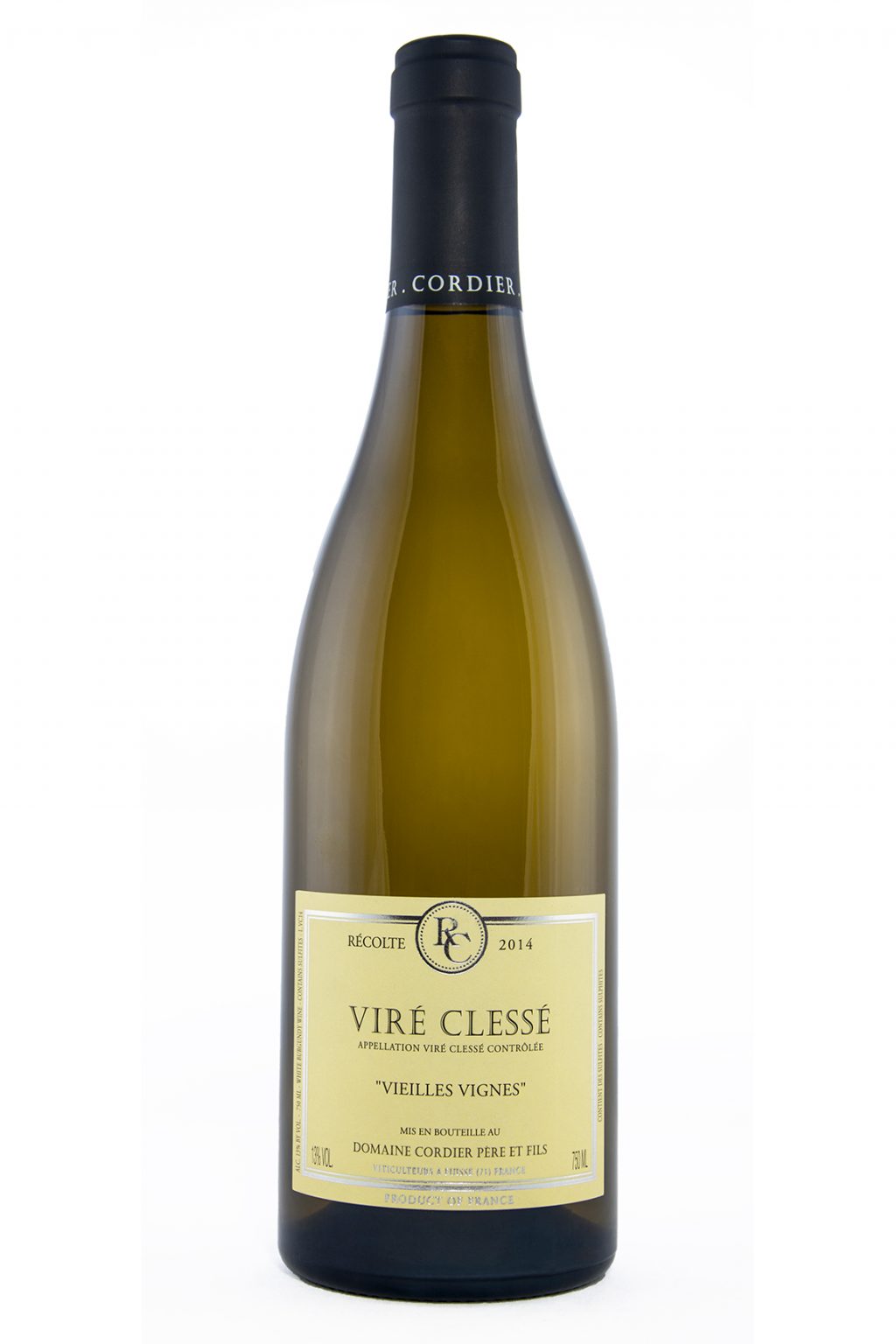
If Chardonnay ‘went home’, it would head back to Burgundy, and the tasting also featured two affordable and accessible choices. Domaine Andre Bonhomme, Viré-Clessé, Les Pierres Blanches 2014 (Wine Society, £11.50) was fresh, zesty and faintly floral, having been matured on its lees in stainless steel. Try it with a goat’s cheese salad. A notch or so up, Domaine Cordier, Viré-Clessé, Vieilles Vignes 2014 (Wine Society, £13.95) was a classy, slightly creamy choice, with well-balanced acidity, quite a long finish and a hint of vanilla. This would be great with a roast chicken dinner.
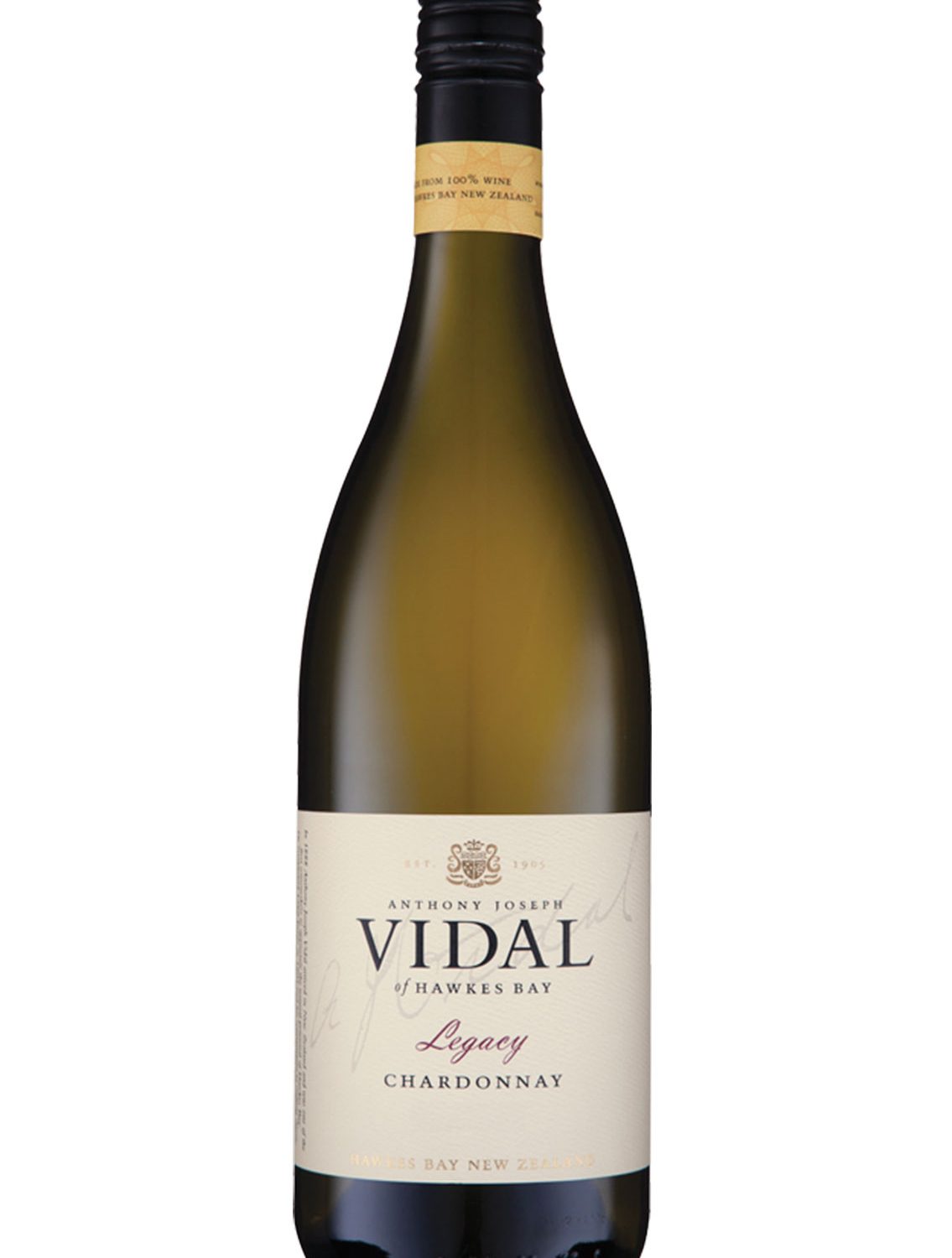
Chardonnay’s return to its rightful place in our affections owes a lot to winemakers like Hugh Crichton at Vidal in New Zealand’s Hawke’s Bay. I was lucky enough to meet him recently, having been shown around his endearingly weather-beaten winery by his British deputy Olly Styles, earlier this year. Hugh made wine in France, before heading home to the ‘Land of the long white cloud’ and that influence is very evident in his wines. The Vidal Legacy, Hawke’s Bay Chardonnay 2015 (New Zealand Cellars, and other stockists, around £40) is Hugh’s Grand Cru. Fermented naturally, with around 10 months in barrel and two in tank, it has a concentration of citrus and tropical fruit flavours, with a lovely savoury quality that made me think of pan-fried hazelnuts, and a long finish. It would be a fabulous choice for a proper Christmas treat, more than compensating for the tedium of Turkey, but it will get better over the next few years, so it’s one to lay down too.
