The future’s bright… The future’s orange wine
So, my recent hit rate on predictions isn’t great … I was certain the UK wouldn’t vote to leave the EU and even bet money on it (with a good friend) … There was no way Americans were going to elect a President Trump (no betting this time, due to burnt fingers) … But if you’re still here, err, here’s my latest bit of soothsaying (and I would put money on this one): you’re going to see a lot more orange wine.
If you haven’t heard of it, then neither had I until about a year ago.
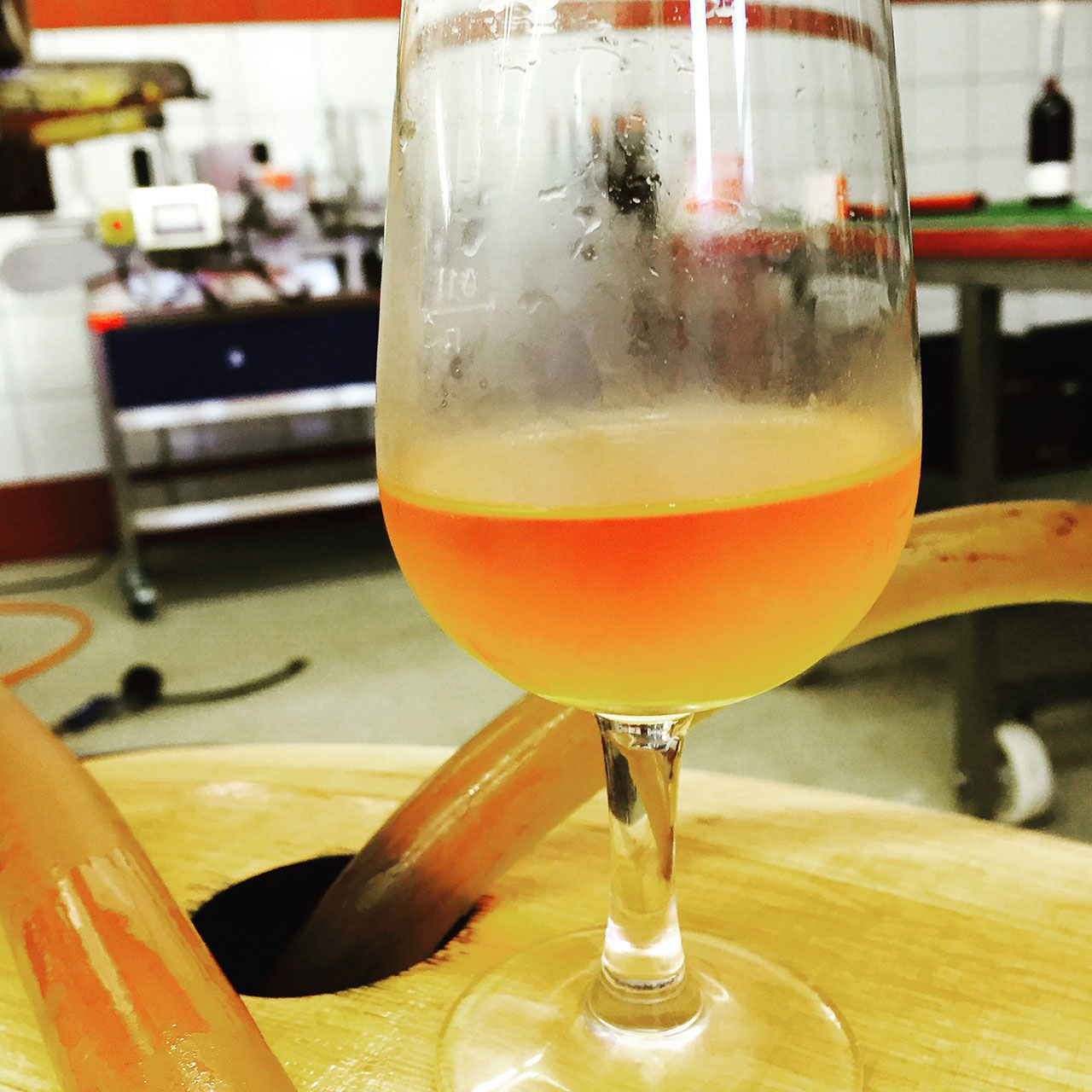
Orange wine is basically a white wine made in a red wine style; the white grapes are fermented on their skins for a period, which results in the tannins from those skins adding an orange hue to the wine. Because the tannin levels are higher than a regular white wine, it produces a much more robust finished product, ideal for pairing with the kind of foods for which you’d normally choose a red.
Although I’m talking about something relatively new, as a wine to try, it’s actually a production method that’s as old as the hills; The Romans apparently made wine this way and the Georgians have a long history of making orange wines in clay amphora, sometimes buried in the ground.
Orange wine is inextricably linked to the emerging fashion for ‘natural wine’
Orange wine is inextricably linked to the emerging fashion for ‘natural wine’ – a term defined in different ways, but I go for ‘highly skilled winemaking, with the minimum of additives’, others say ‘hangover free’, due to the minimal levels of sulphur dioxide – and it’s at an early stage as a modern product.
There are very few orange wines on the market, so choose carefully and expect to pay a bit of a premium for rarity.
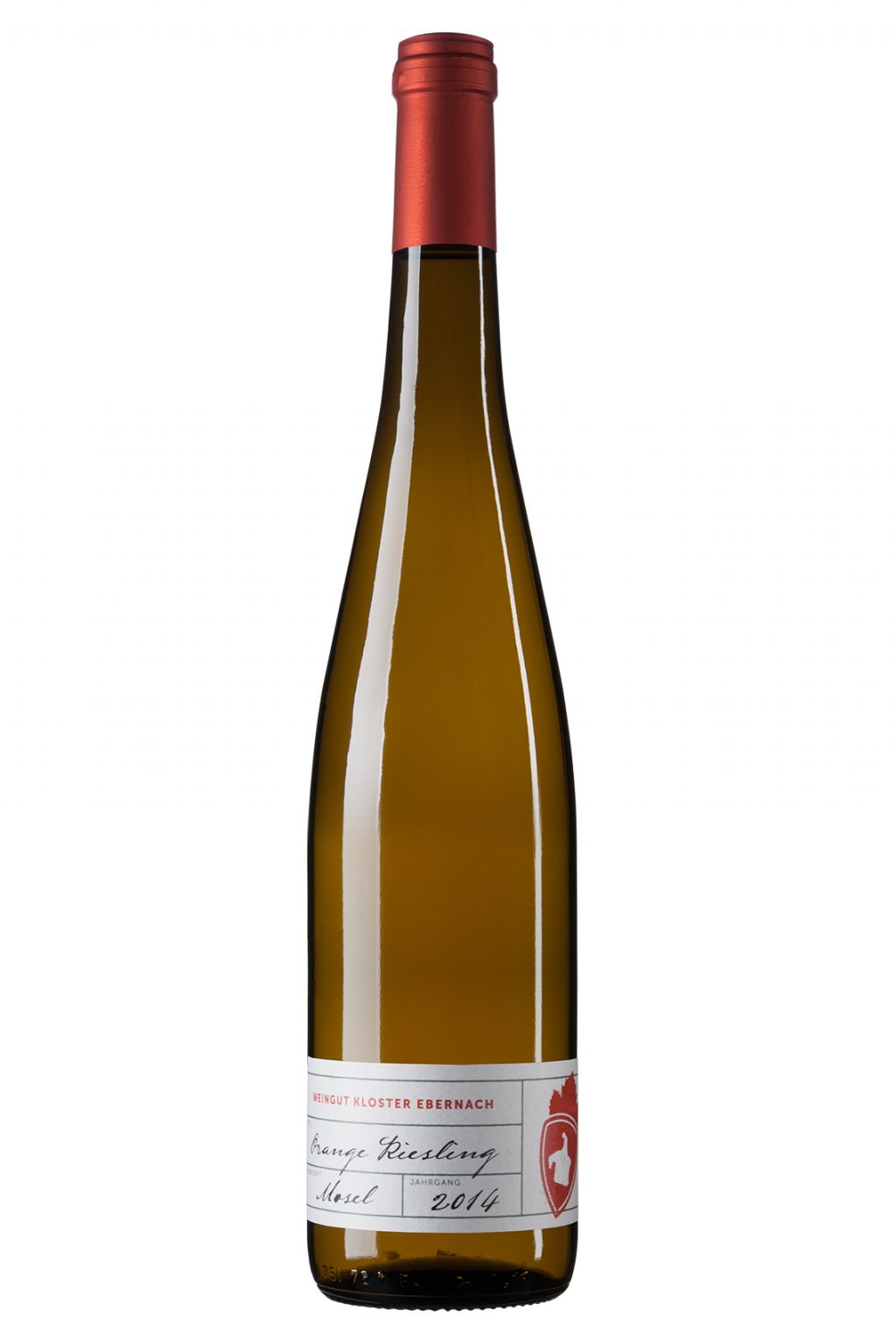
Marks and Spencer do a Georgian one (Tbilvino Qvevris) at around a tenner, which could be your give-it-a-go option, but I would splash out for the best and go for Weingut Kloster Ebernach, Experimental Orange Riesling 2014 (redsquirrelwine.com, £26.99).
It’s produced by a charismatic Australian winemaker in a German monastery; it’s 100% high-quality Riesling grapes, which gives it an assertiveness to withstand the ‘orange’ production process, and I love the fact that the ‘tell it how it is’ Aussie directness extends to putting “experimental” on the label of what is a thoroughly modern iteration of ancient winemaking technique.
The winemaker, Martin Cooper (click here to read my interview with him), is rightly proud of his innovation, however he cautions that “it’s not for the faint-hearted” and is very much a food wine, rather than one to while away a summer’s afternoon on the patio. I’d agree with that, and I’d go for big, meaty flavours, like a rich pate, pork belly, an oily fish, or even a curry perhaps.
I wouldn’t make an orange wine my ‘wine of the week’ – yet – because it’s too much of a Marmite (if you’re reading this outside the UK, that’s our much-loved yeast spread that sharply divides opinion), but I would highly recommend giving it a go, with the right food match, and I think the opportunity it presents for the development of more natural, lower-sulpher, winemaking is really very exciting.